22.NAVIBANDAR, MADHAVPUR, SOMNATH

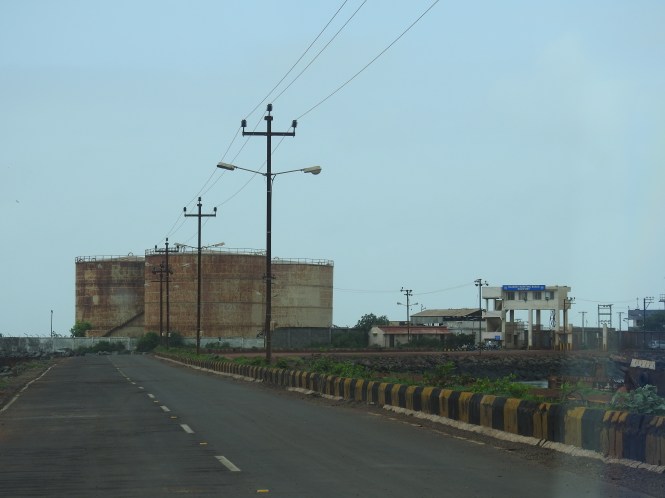
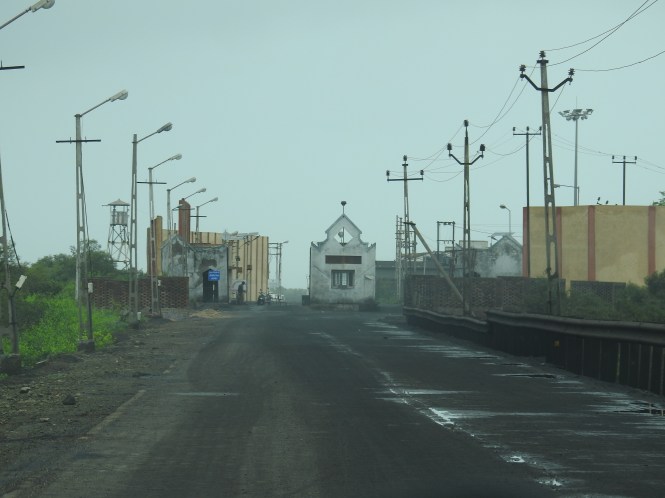
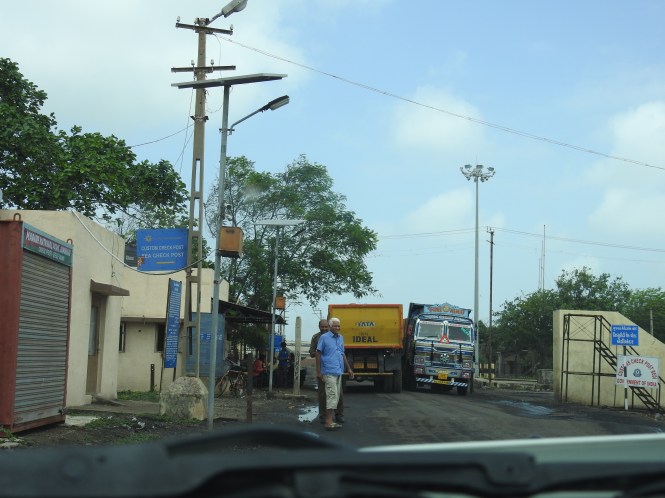
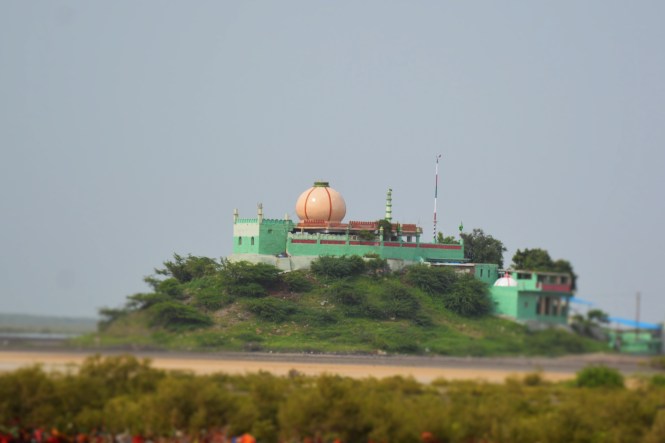
We leave Porbandar without knowing what would be our next night halt. Our Google search reveals that the next town with any kind of hotel accommodation is Veraval 124 Kms away which would be quite a long jump for us. We start driving until we come to a place near Navibandar to be told that a bridge on the road to Veraval had collapsed more than a year ago and a diversion has to be taken. We take it and make it to Navibandar with some difficulty.

1

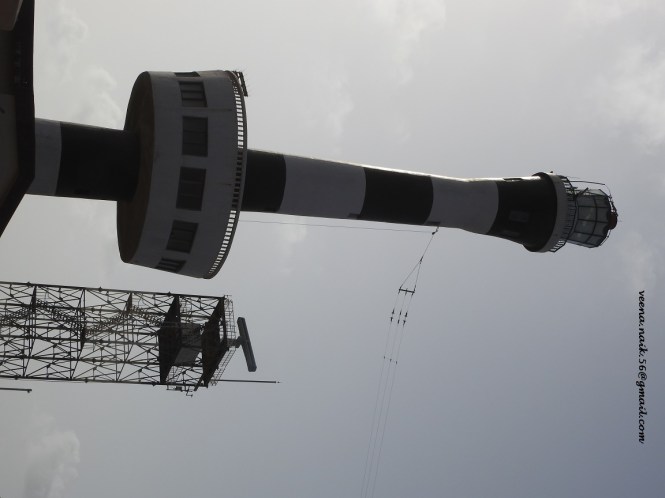
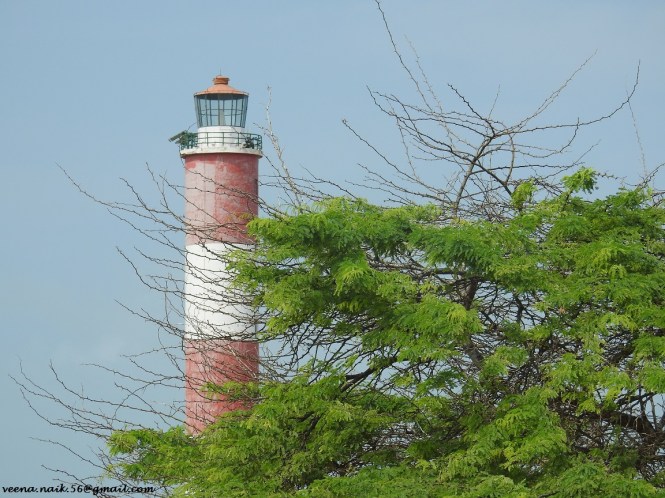
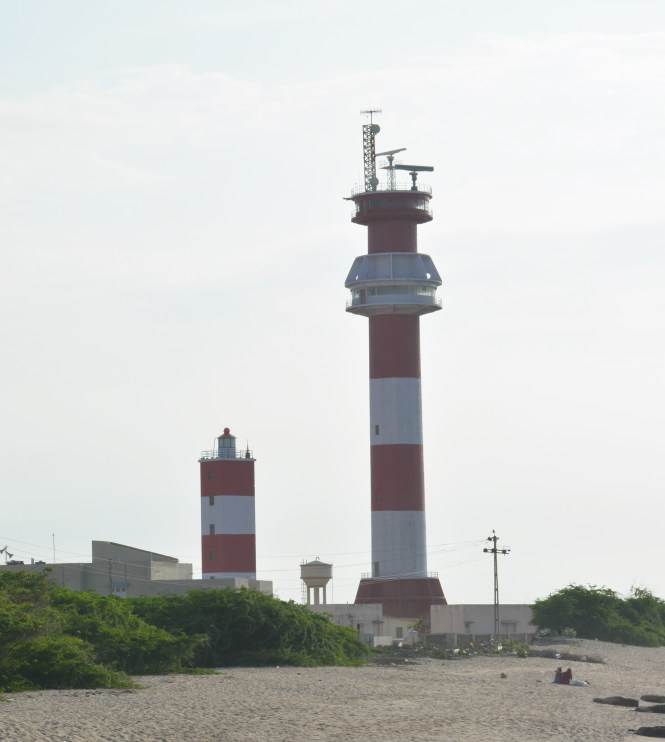
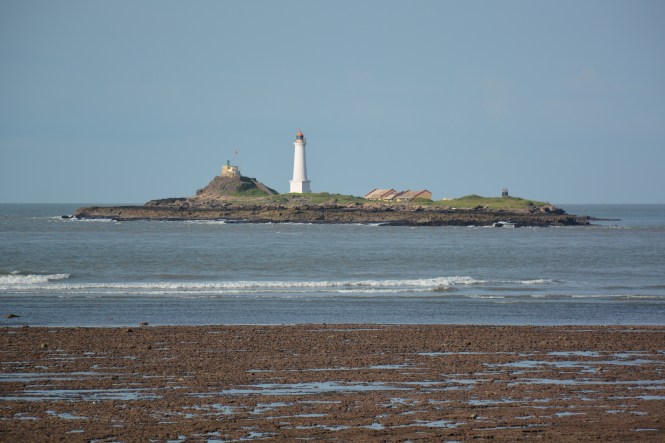
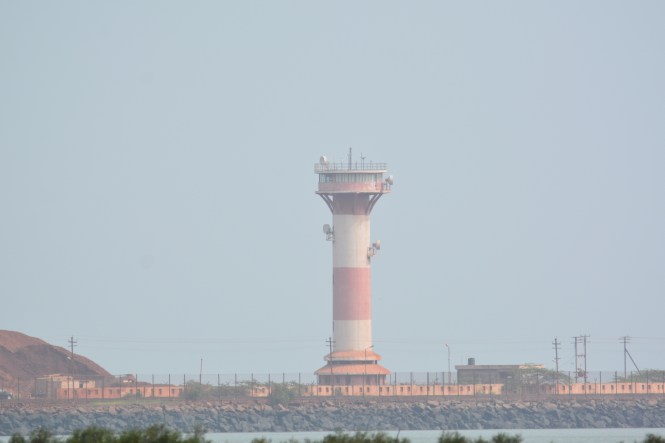
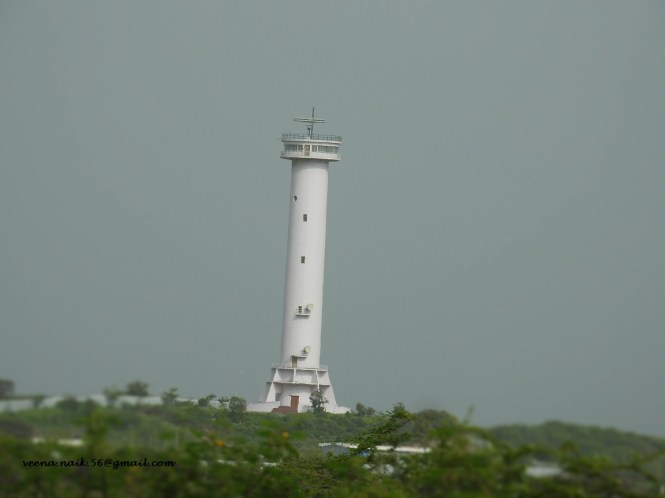
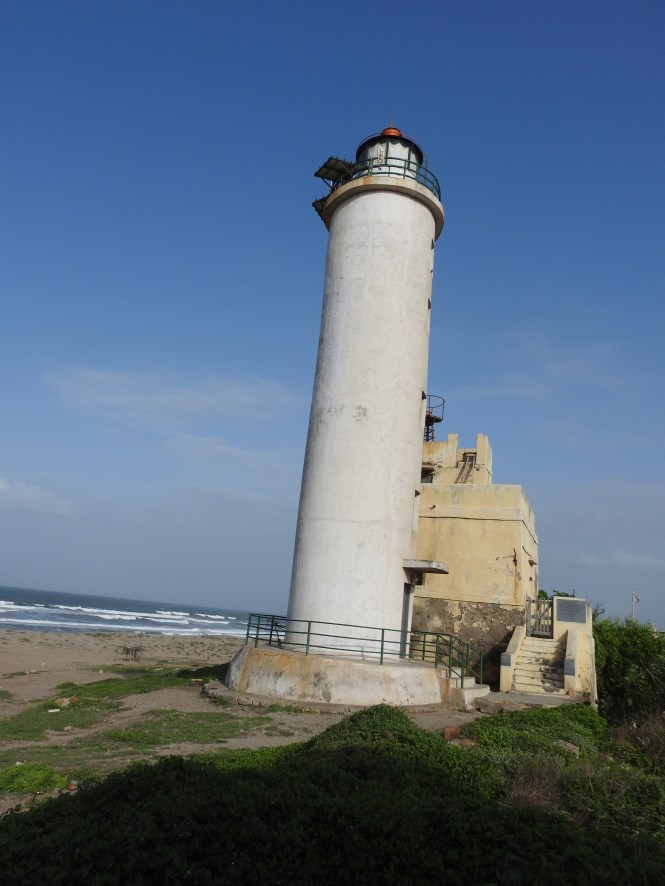
Navibandar as a port does not have much of an activity especially after the collapse of the bridge. We visit it all the same  mainly because we had since beginning decided to visit all Lighthouses. The Lighthouse here is a functional unit and not a grand affair. It is manned by only person who was away when we visited. Hence we do not know if they allow to climb the place.

2

3

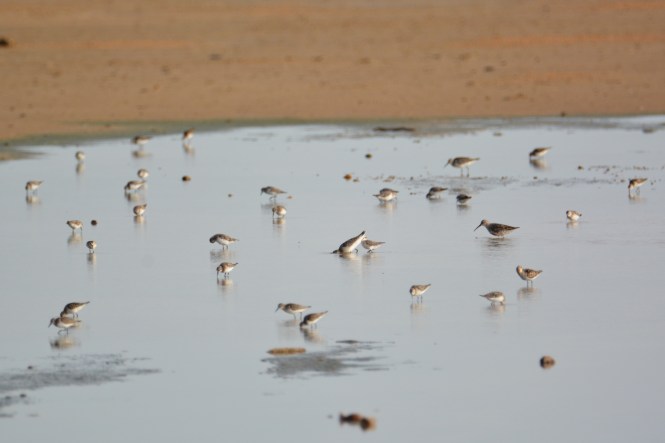
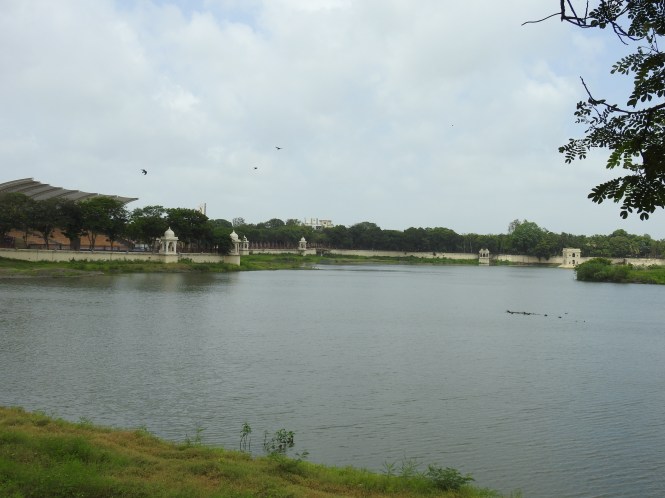
We return to the main road which is at the other end of the collapsed bridge and are about to drive southwards when a flock of birds flying catches our attention. We stop and walk towards a small lake. This place would have been famous had it been near a city. Being a freshwater body near the sea, it supports quite a number of bird species.

DSCN3877

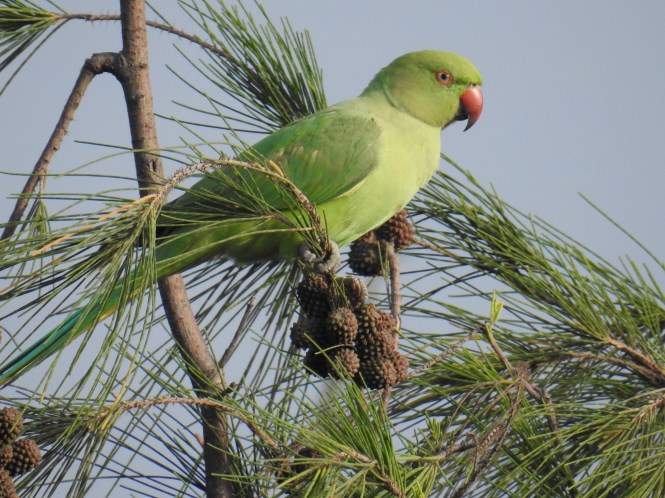
But the main attraction turned out to be a smaller pond with this:

DSC_8318

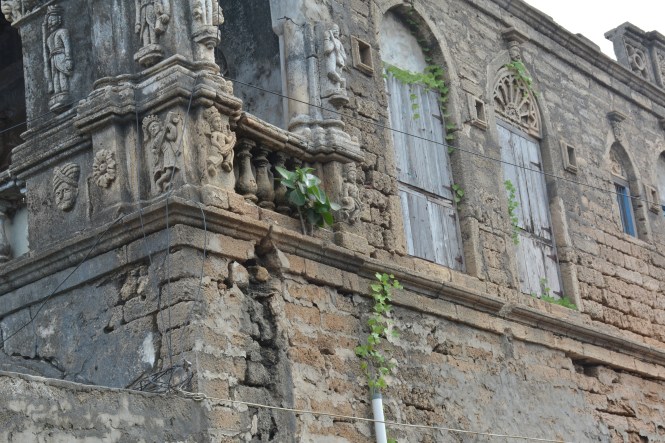
The road ahead is smooth and straight. A pleasurable drive brings us to another surprise. Madhavpur Beach is surprisingly long, sandy and clean. And more importantly it has a reasonably good hotel. So we decide to stay the night at Madhuban. As we move around we learn that apart from the bridge the village has the remains of a 12th Century temple. I think in the 12th century people did not have any work other than building temples.

DSCN3932

DSCN3909

We also come to know that the village has a Osho Ashram. That’s quite interesting though not surprising. There also another Ashram called Gokul. Both these places offer accommodation presumably to their affiliated people. A long ditch between the two places offers birding opportunities.
DSCN3918

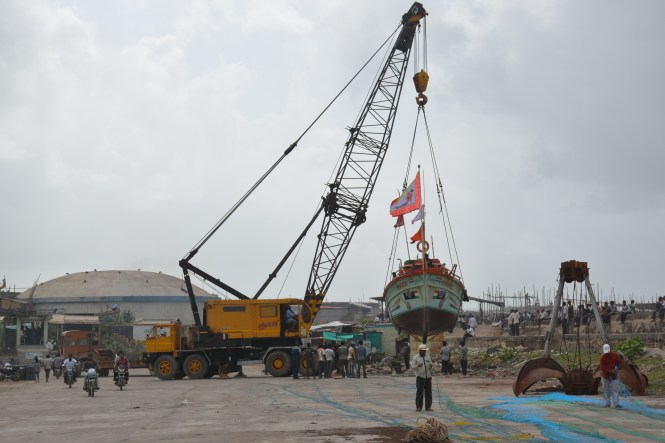
The next day (4th September) we start from Madhavpur and proceed to Mangrol. This is a large fishing harbour and boat-building place. The town is quite large ( 150,000 souls). We spend some time at the harbour watching some activities related to operationalizing the fishing boats after the same were laid up for the monsoons. Some were already at sea and the others were being readied.
DSC_8469

DSC_8475

Some new ones are being built.

DSCN4022

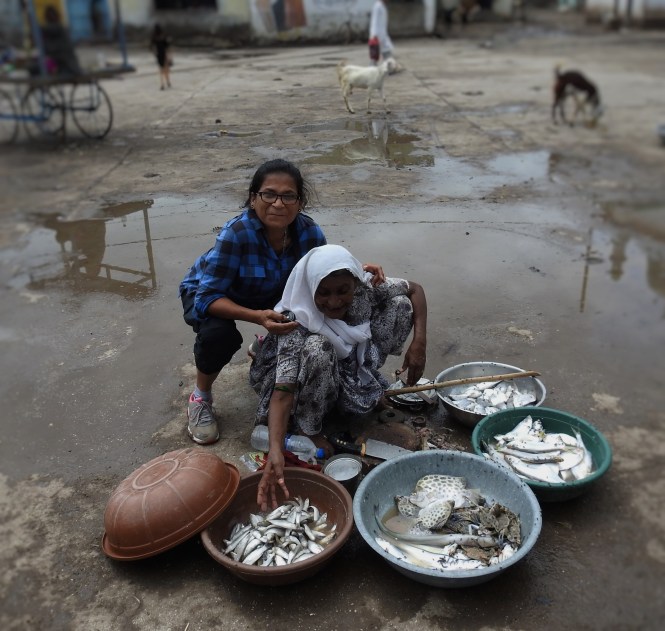
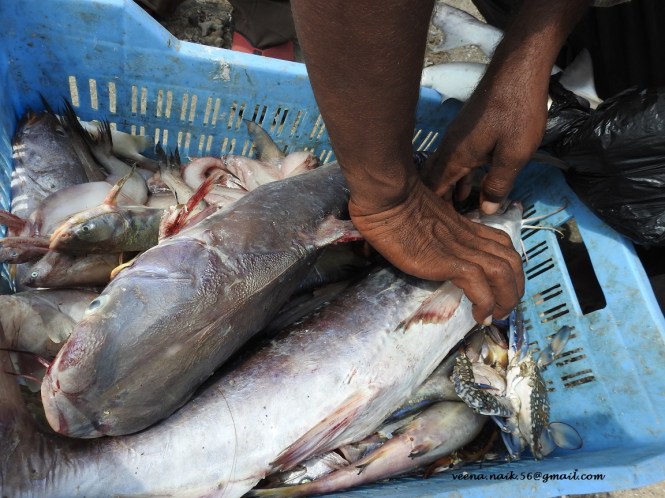
Mangrol has a fish market, two in fact, one for the wholesale trade and one for retail.

DSCN3976

We buy some fish and proceed on to the New National Restaurant. It is too early for lunch and we have to help Khansaaab with his preparations including cutting the onions.

DSCN4025

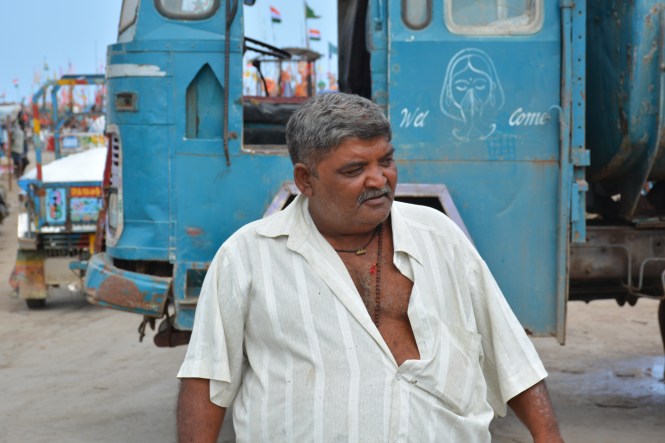
Shri Goswami owns a tanker that supplies drinking water to the fishing vessels about to sail. He insists on being photographed with his water tanker.
DSC_8468

The Port has a Lighthouse. Permission has to be sought for visiting and if granted one has to climb 200 steps on the staircase. No, thank you.
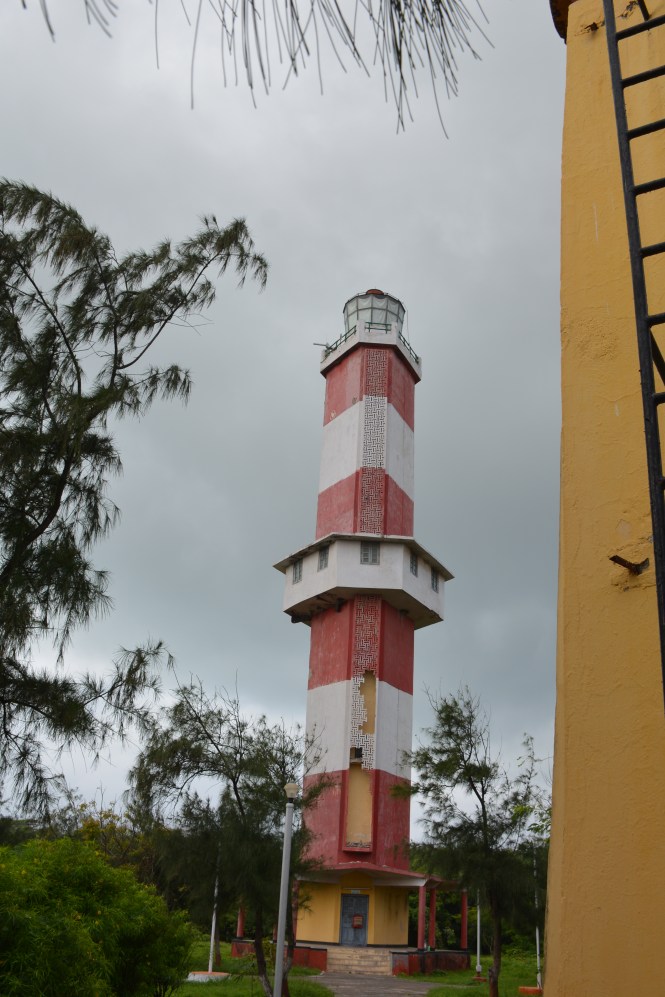
DSC_8465

The next place we visit is Chorwad made famous by Dhirubhai Ambani, the founder of Reliance group. Before we visit the Memorial ( which is the place where spent his childhood), we reach the beach. A rocky beach with the remains of a palace built by the ruler of this principality of Junagadh. The palace built by Mohabat Khan was appropriately named Dariya Mahal. It was advertised as India’s first Beach Palace hotel. One can only see its ruins now.

DSC_8526

The beach is quite good but we could not see it at low tide. We wanted to stay back and started making inquiries about possible accommodation. There is none. During the inquiries an outrageous suggestion was made by the person selling coconuts on the beach. ‘There is a hospital in the town and they offer rooms’, We did not bother to verify the truth or try out the option.

DSC_8540

Of course we go on to see the Memorial to my one time employer. Nothing much from outside and photography is not allowed inside. This is the entrance to the town. The memorial is a short distance ahead o the left.

DSCN4056

We proceed to Somnath.

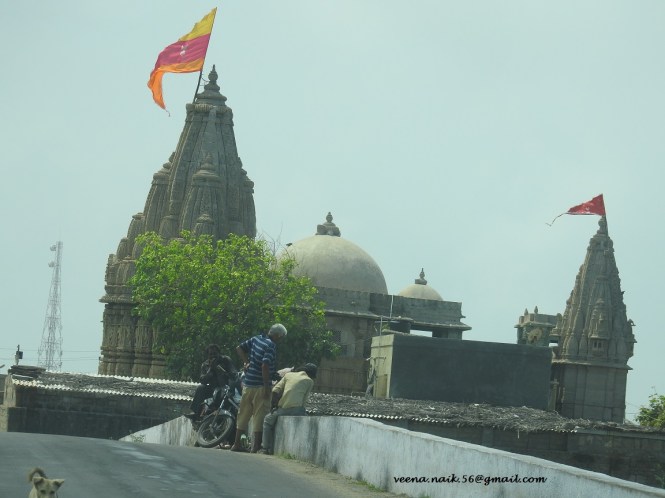
Somanth is of course is among the famous temple towns of India. Apart from the main temple, it also has several other temples and also a large one under construction.
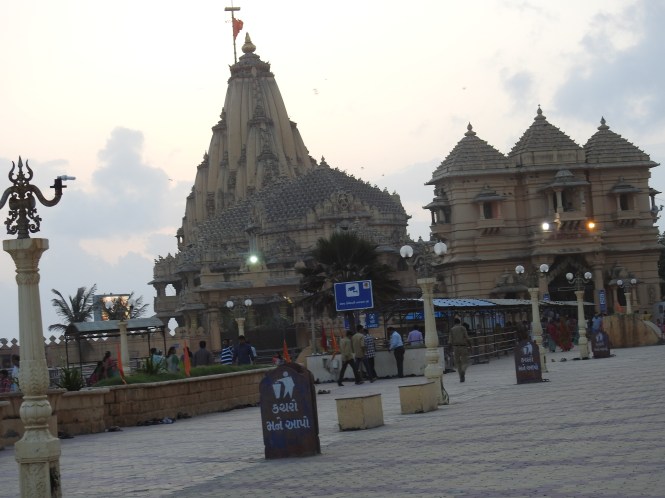
DSCN4097

Among the others is the Surya temple which has a lot of plants growing on it, in defiance of the powers of the Sun God.
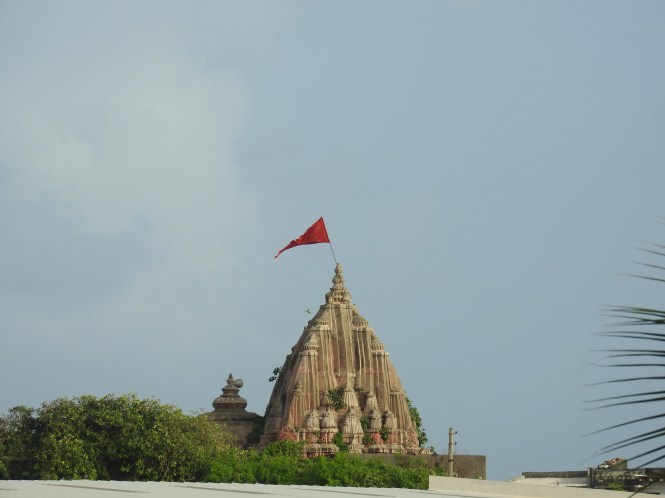
DSCN4081

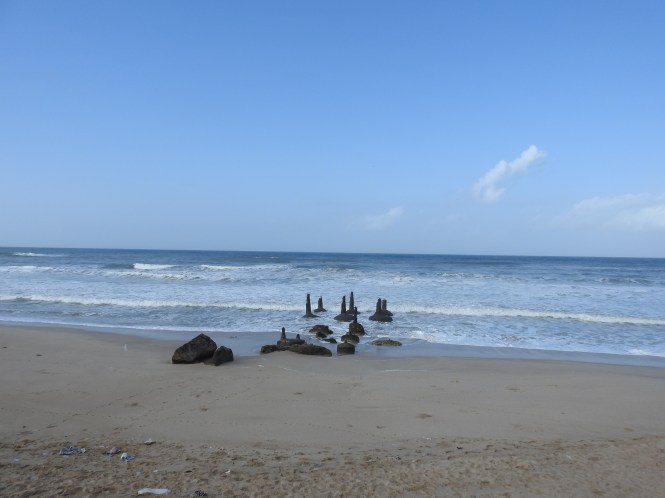
Then there is the Triveni Sangam, confluence of three rivers ( and probably the Arabian sea) , a place where Lord Krishna had breathed his last.
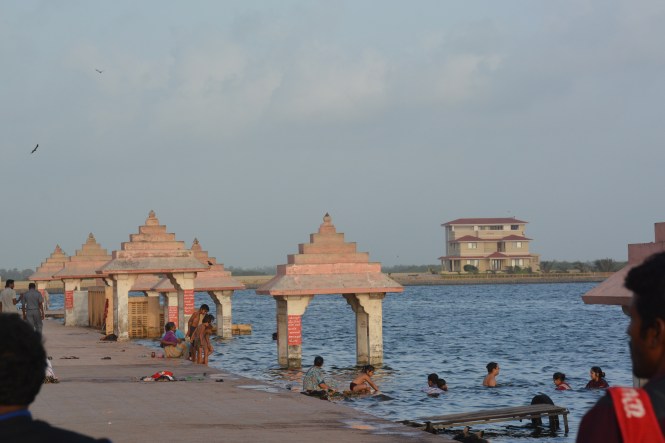
 DSC_8570

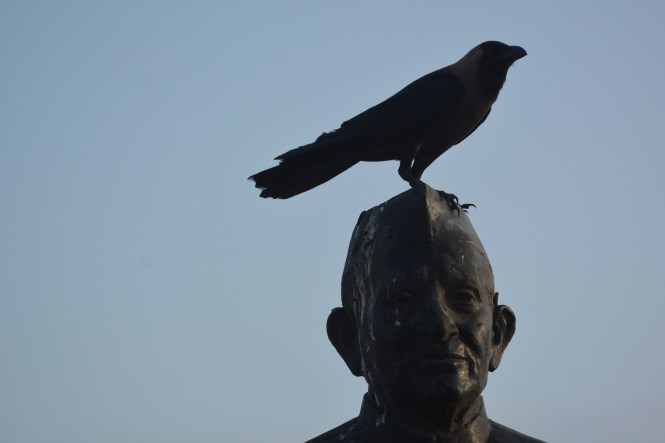
Currently on the Triveni Sangam is the statue of Mr. Morarji Desai, ex Prime Minister of India being badly treated by crows
DSC_8575

In this story I have missed the town of Veraval. It will be included in the next.

3rd & 4th September

suryakiran.naik@gmail.com

Posted on 5th September.


21. HARSHAD MATA &PORBANDAR

The first stop we make on this route is Okamadhi. It has a very long stretch of beach and little else. One wonders why this beach is not developed and commercialized.

10a

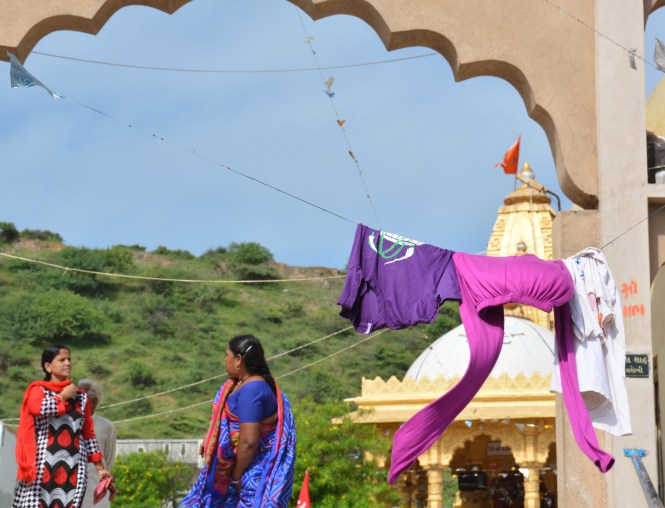
The next major place along this 110 Kms stretch is the place generally known as Harshad. It has two important temples. The first is by the side of the creek and is dedicated to Harsidhanath Mahadev. One has to enter the temple from under the clothes hung for drying by the God’s devotees who had come here the previous night.

1. Harsidhanath mahadev

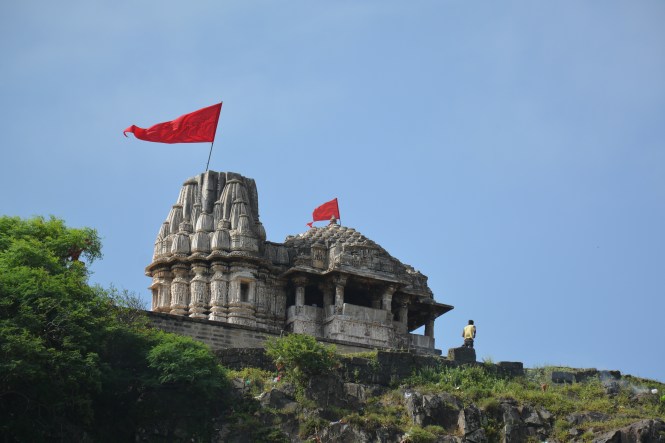
The other temple is on a hill nearby is for Mata Harsidhi popularly called Harshad Mata.

(Those of you who remember late 1980s and early 1990s, a similar temple was proposed to be built to honour Harshad Pita at Dalal Street, Mumbai. The plan had to be shelved when they found that the Pita had already ruined at least two banks and several thousand investors)

2

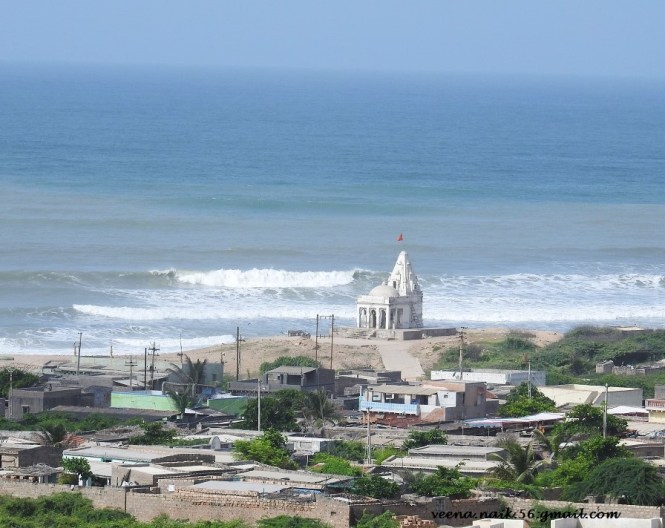
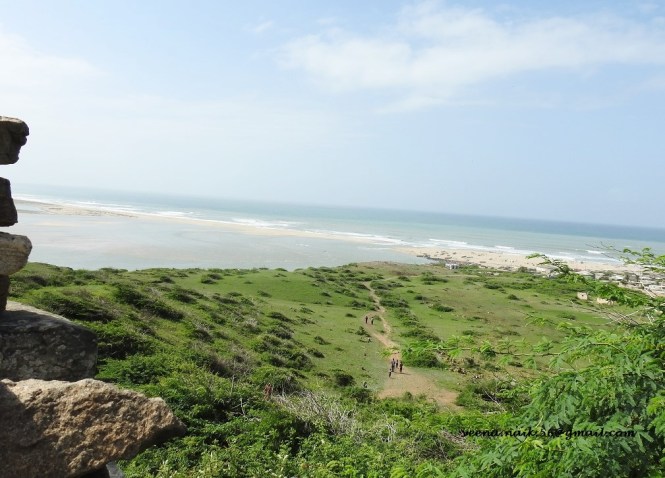
The view from the hilltop is really nice.

4

5

A mobile vegetable shop was found near the temple. The man moves around 100 Kms. a day to various villages vending vegetables.

5a

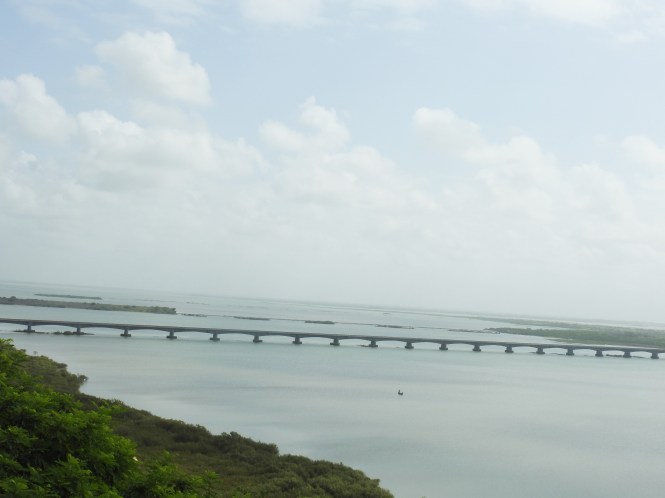
We cross this bridge and get across the creek into Porbandar District leaving behind Devbhoomi Dwarka.

3

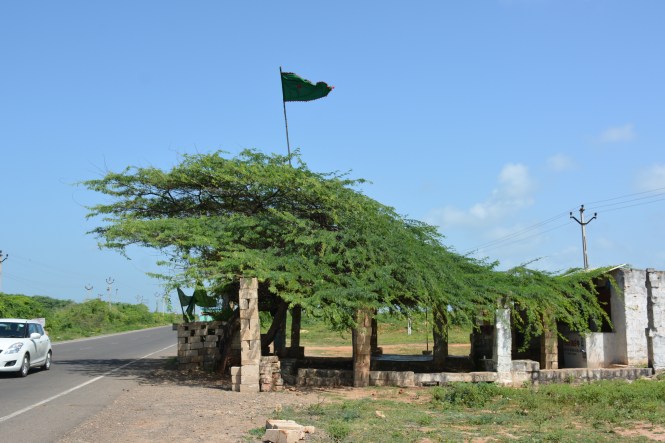
A very ordinary looking structure on the roadside attracts my attention for using a tree in a very innovative way. It is flying a green flag and could have been mistaken for one of those many Dargahs that dot the Gujarat landscape. It happens to be a temple to a Sati. We stop to find a bundle of innovations here:

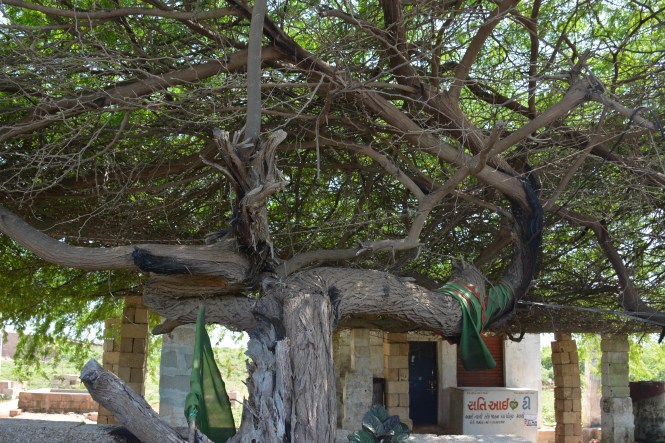
The first one is that what you see as roof here is provided entirely by a tree, the stone pillars are supporting the tree branches. The second innovation is that it is a self-service establishment. The prayers are recorded and play automatically- canned prayers, hygienically packed and good for spiritual health

6 jai Jivi sati Aayi

7

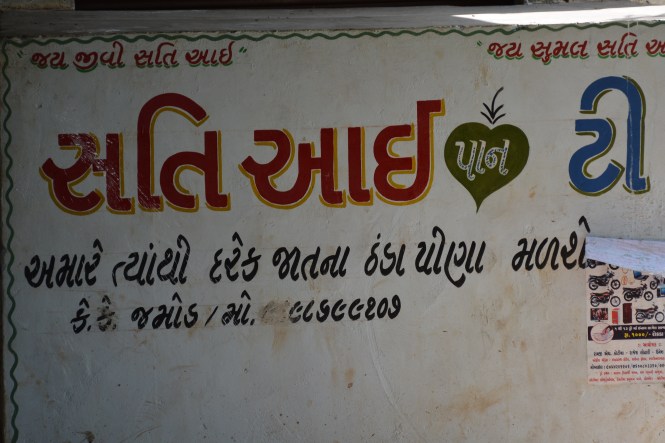
The third one is that Jai Jivi Sati Ayi has been used as a Brand name for Paan being sold at the rear side. Lord William Henry Cavendish-Bentinck surely did not bargain for this when he tried to abolish Sati.

8

We move forward making inquiries about another temple known to be present in the area. This one is to the creator of the universe- Brahma. It takes us a few inquiries to ascertain the way to the temple. We are told to take a right turn at the Essar Petrol Station. It is a pity that the we have to depend on Shri Shashi Ruia’s property as a landmark to find the Creator of the Universe.

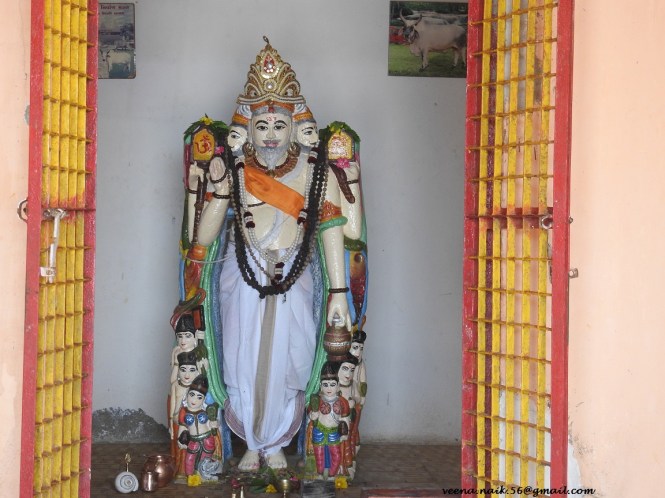
The temple is right on a beach formed on the creek. The idol looks good, the beard looks artificial though.

9

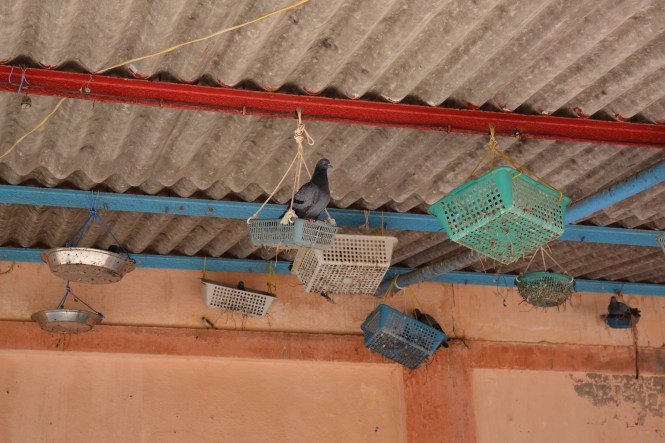
The trustees of the temple have made commendable progress in the art of Pigeon Management.

10

We reach the birthplace of Mahatma Gandhi in the early afternoon. As good citizens of the country, the first thing we do is to is visit the actual birthplace.

11

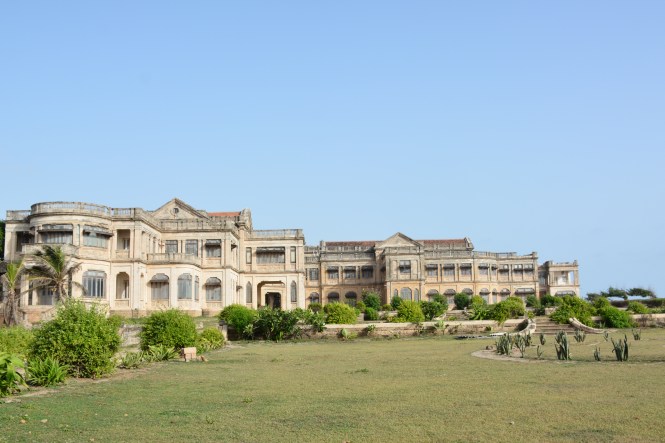
I was expecting Porbandar to have many more things than it has. In terms of architecture it does not have much to offer. The palace of the ex ruler is a huge seaside property but does not offer any splendor which is expected of a 13-gun salute state. Moreover it is not maintained well.

16

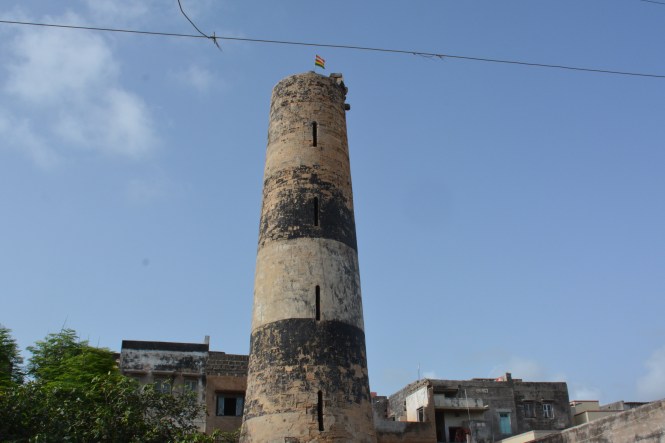
That leaves us with the various temples around the town and the two Lighthouses. The old one was commissioned in 1876 by the Porbandar State and was in use until 1983- 107 years of service and is not even looked at by anyone.

17

The new one is a little outside the town. We are surprised to know that one can actually go up the Lighthouse on payment of a fee of Rs.10/-. But this can be done only at 6.30 pm in the evening and Photography is not allowed. Still after so many earlier refusals this looks refreshing news.

18

(I need to learn how to correct this.)

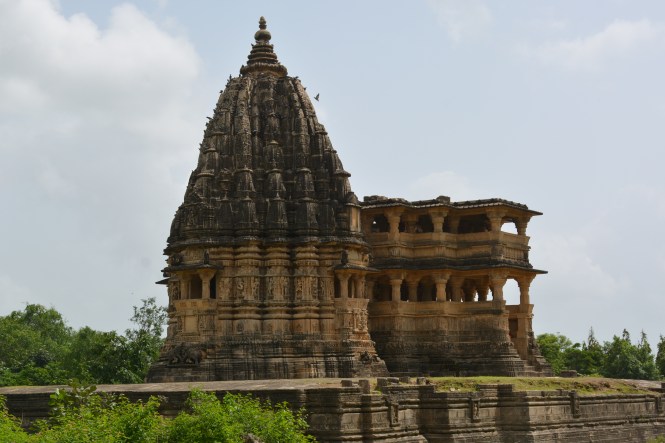
As there is very little in the town we look to places a little away from the town but not far from the coast. We find a place called Ghumli which we are told have ruins of a medieval kingdom. We drive 45 kilometres to find a find a fine specimen of architecture. We are told that this is ‘Solanki’ architecture and belongs to the 12th Century AD. This temple is for Navlakha and is accompanied by a temple of Ganapati which is in ‘Saidhava’ style and belong to the 8th/9th Century.

14 Navalakha solanki

DSCN3818

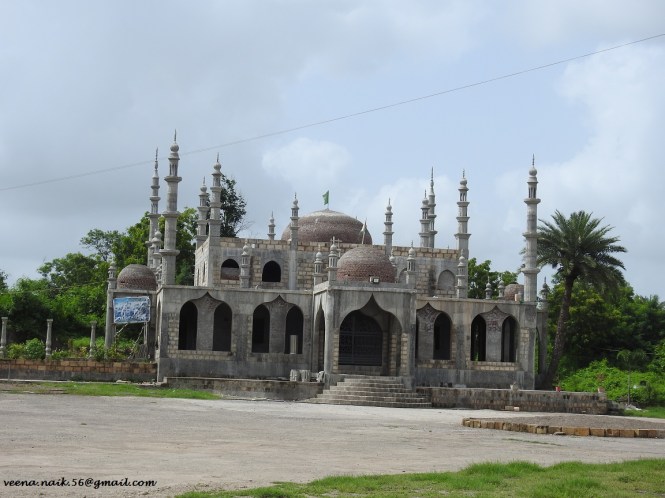
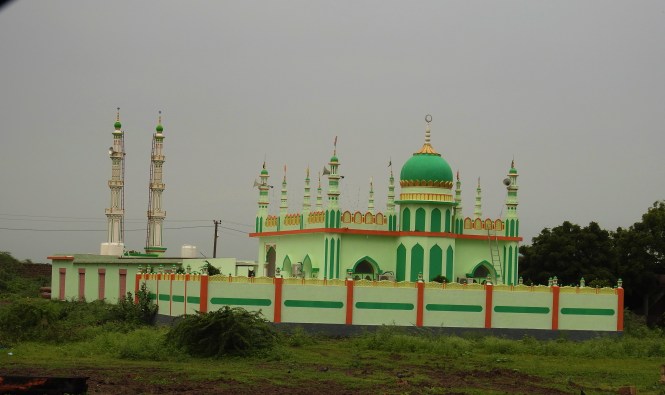
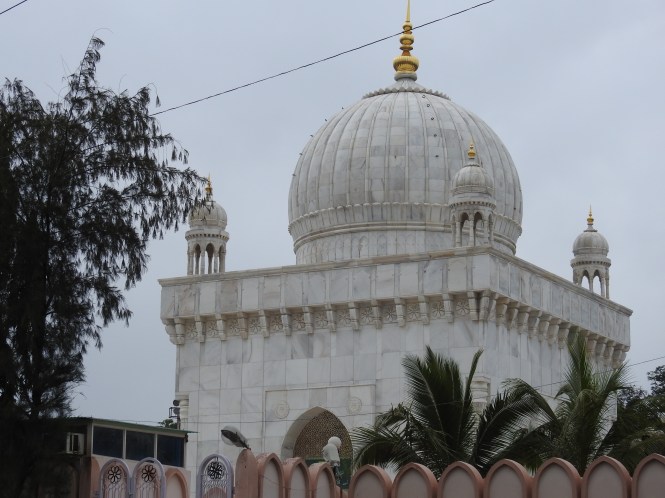
On the way to Ghumli we come across this Islamic structure which appear to have an unusually large number of minarets. I need to find out it is.

13

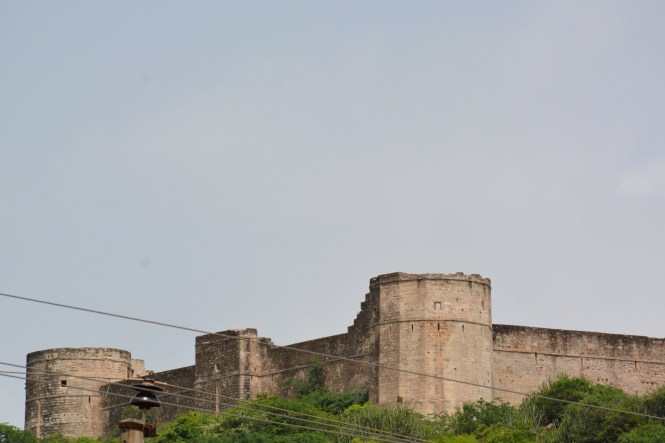
On the way back from the western side we see a small fort  but do not bother to go up as it is 40+degrees outside. Climbing is not exactly an activity one does at such times. We are dashing for the green coconuts back in Porbandar.

15

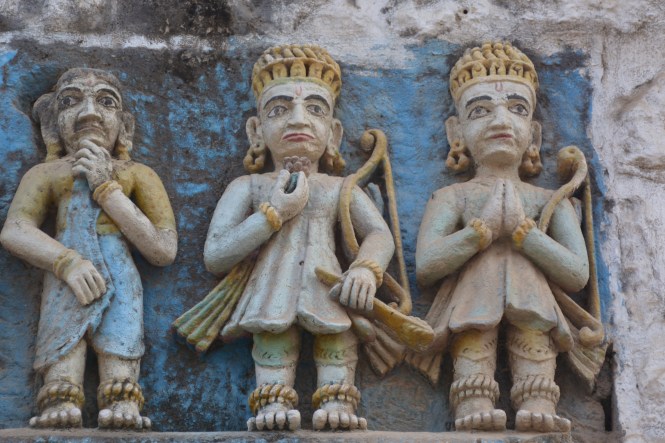
In the city we find this carving in stone on the office of the Superintendent of Post Offices, Porbandar Division, M G Road ( No, not even here they call it Mahatma Gandhi road). Can you please identify the characters?

19

1st & 2nd September 2016

suryakiran.naik@gmail.com

Posted on 3rd September 2016.


20. DWARKA & DWARKADHISH TEMPLE

Much has been written about this place. One of the four Dhams, the holiest of holy places of Hindu faith. This is the western-most and has an estimated five million visitors in a year. The place is well-maintained except for the cows (and bulls) defecating all over the place. If you approach the city from the north, you get to see the Rukshmani temple first. You can see some people trying to catch crabs. They use entirely wrong methods. I try to upgrade their knowledge with my considerable experience with the activity.

1.

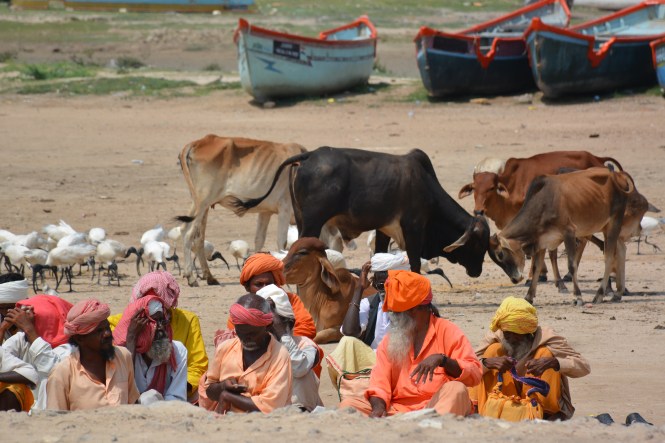
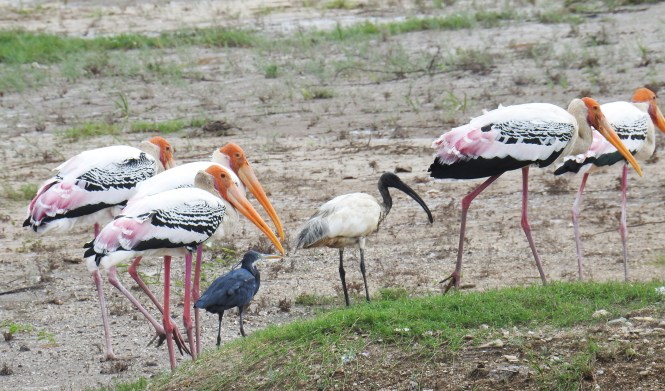
In front of the temple you find this interesting scene. Pious Men, Holy Cows and Sacred Ibis – all looking for food, collectively.

2

Bhadkeshwar Mahadev is an important temple on the seashore. It has been saved from the waves artificially, the surrounding land has surrendered to the sea.

3

The Diwadandi , Lighthouse has a square design

4

5

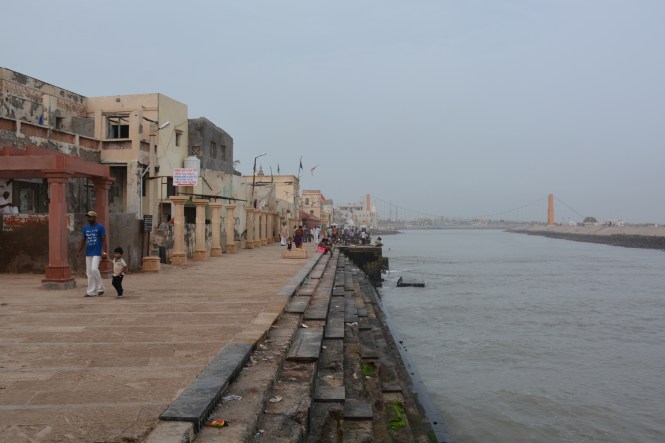
The Ghats are trying to resemble those of other Holy places situated on rivers. The river here is – Gomati- is almost dead. The water you see here is the sea water at high tide.

6

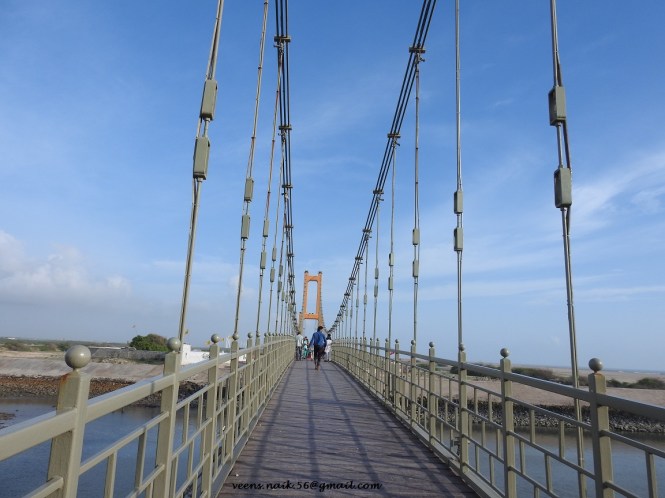
This suspension bridge across ‘River Gomati’ has been sponsored by Reliance Industries and they charge Rs. 10/- per person, both ways. If you cross you have to come back. There is nowhere to go.

8

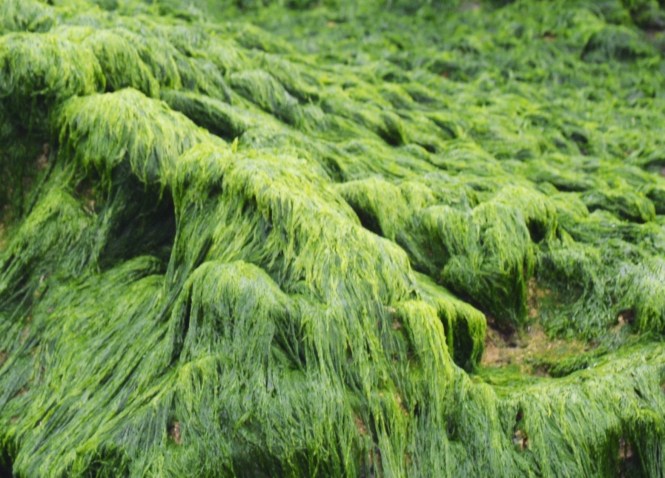
The stones around the Bhadkeshwar Temple has a moss growing on them which we normally find around freshwater bodies. It looks beautiful.

9

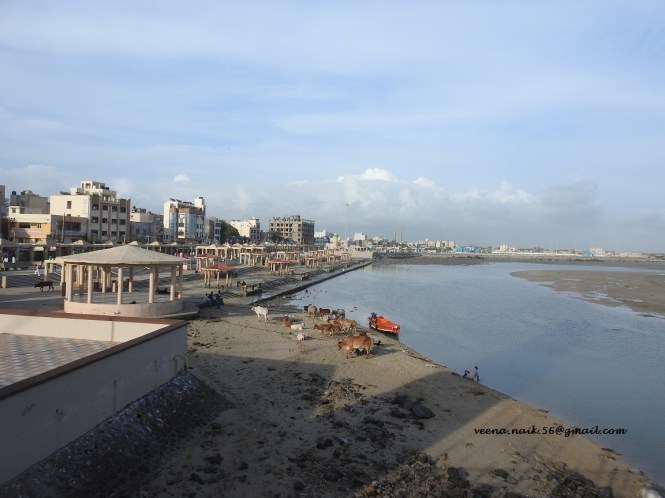
The facilities provided to the pilgrims are equally shared by the stray cattle also known as the Holy Cows.

10

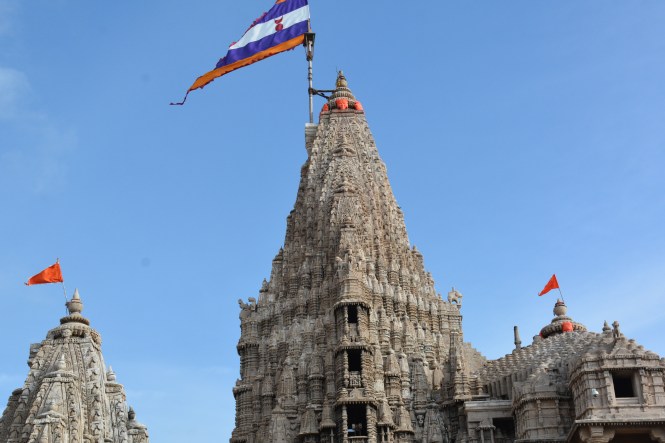
The Dwarkadhish temple, the main temple of Lord Krishna is claimed to be 2500 years old. One cannot take bags, cameras, mobile phones, tobacco products inside. The dome looks artistic.

11

This temple has a national-level importance but the sign boards are only in Gujarati.

12

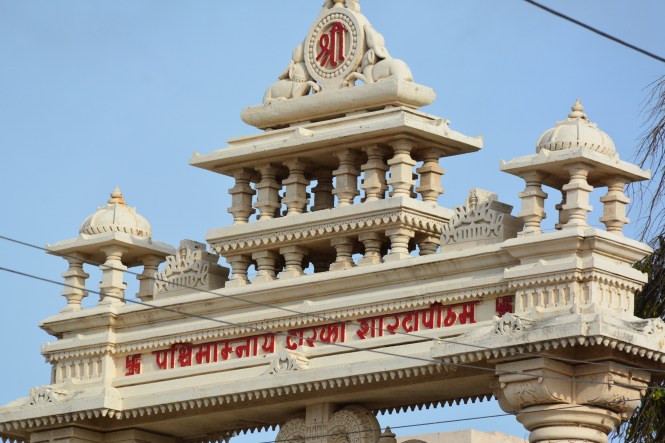
The temple complex also houses the Jagadguru Shankaracharya’s offices.

13

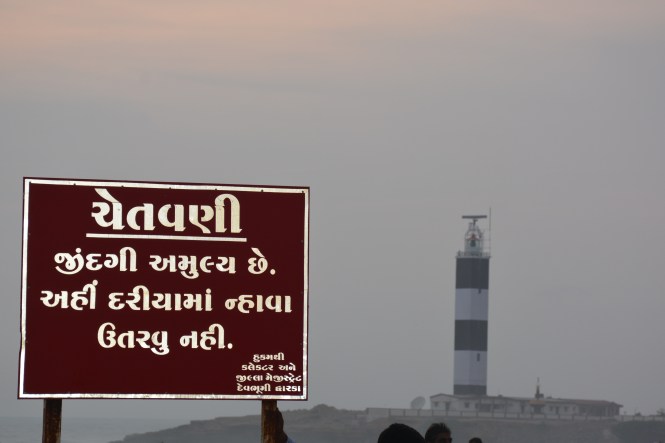
At most places in Gujarat, the signboards are in Gujarati. It is difficult to see how the pilgrims coming from the other states, particularly those from the south, will be able to read them. For example, this signboard advises that the life is precious ( No, it does not say human life), and people not to take bath in the sea. You are likely to take bath in the sea at this holy place if you can’t read Gujarati.

14

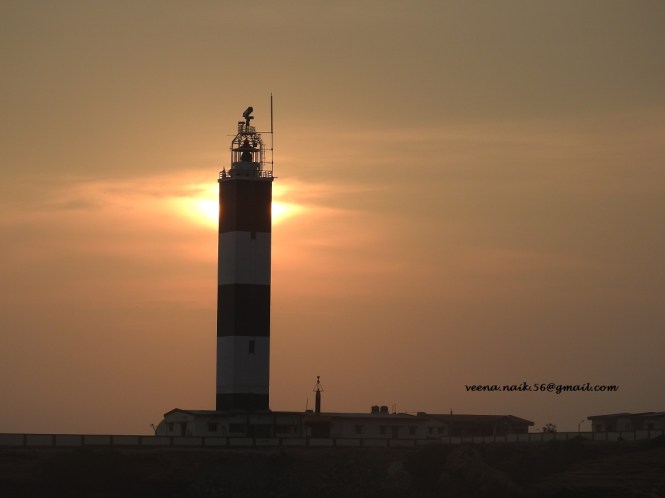
The sunset is quiet and pretty against the Diwadandi.

15

Towards almost the end of my life I have realized that I have something is common with Lord Krishna. Both of us have accounts with HDFC Bank.

16

29 & 30th Aug. 2016

suryakiran.naik@gmail.com

Posted on 31.08.2106.


19. MITHAPUR,SHIVARJPUR, NAGESHWAR.

We leave Okha for Dwarka. The distance is only 30 Kms but with interesting diversions here and there to spend the whole day without getting into Dwarka proper.

Just as you come out of Okha, you enter Mithapur, aptly named as it produces a large quantity of salt. The town has a 75+ year old factory of Tata Chemicals Limited. We drive through the township which is a beautifully planned and maintained place complete with an airstrip and a sea beach.

1

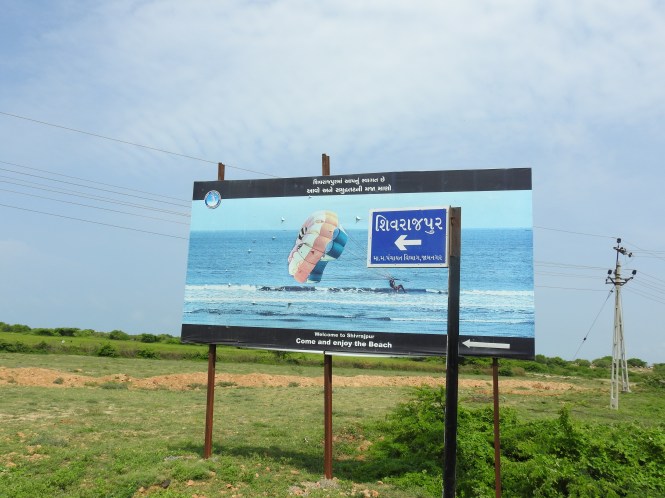
We get back on to the main road and drive on until we come to this signboard.

3

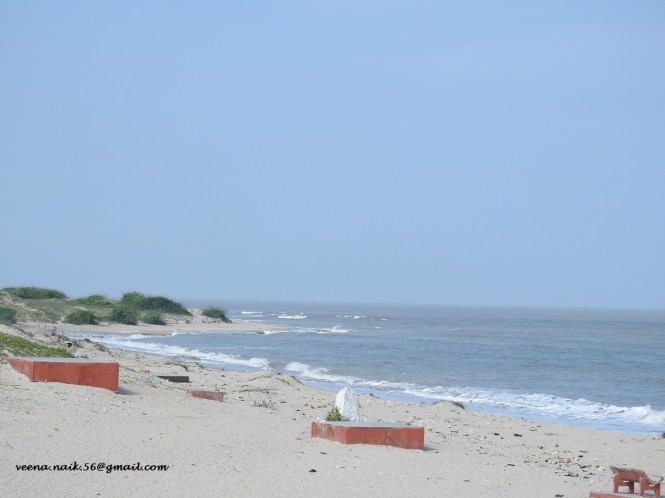
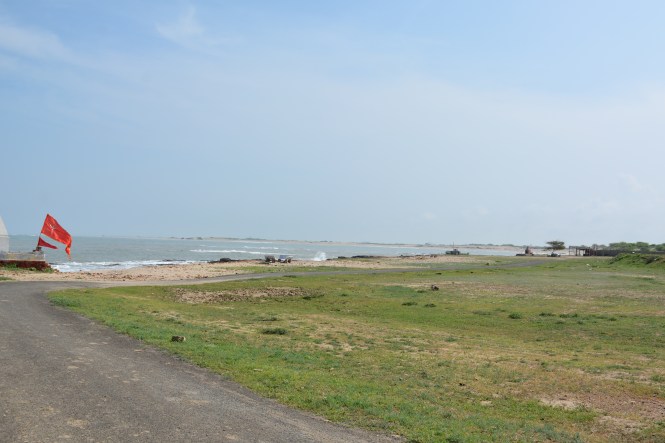
This is a misleading advertisement. There are no such activities around here.The place has a beach, a nice little cove but rocky.

5

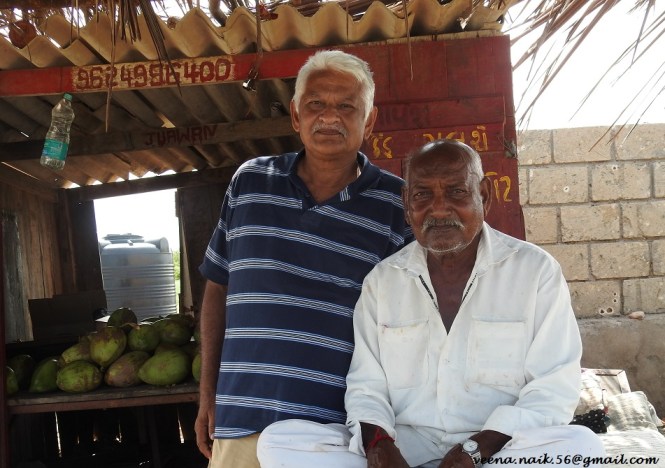
Other than that it has jovial Kaka Hari Sinh Vaghela selling green coconuts. He offered us the Jowar rotis in his tiffin  as it was lunch time.

4

And a lighthouse (called Kachchigadh Lighthouse). For a change they said they do allow visitors to go up the lighthouse. We were momentarily delighted. But the ‘concerned person’ is away and might take some time to return. We return back to main road disappointed once again

6

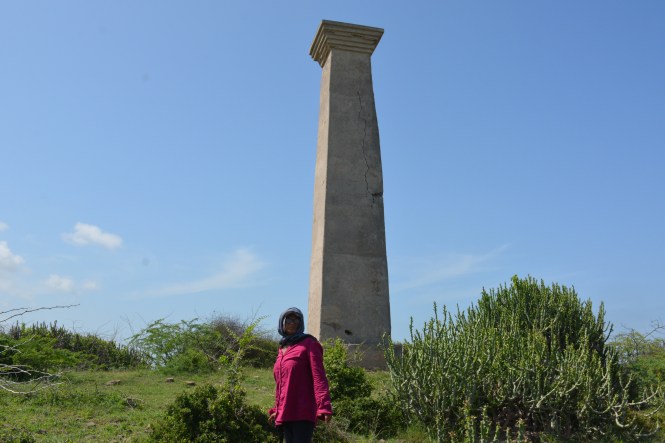
A distance away one can see another Lighthouse. Kaka Hari Singh informs us that it was constructed by the Gaikwads of Baroda when they ruled the territory. It was operated by using lanterns and obviously is no longer operational. We decide to go there- in scorching hot sun. It is not easy to drive up there. The Lighthouse does not have steps to climb. Perhaps they used a ladder.

DSC_7835

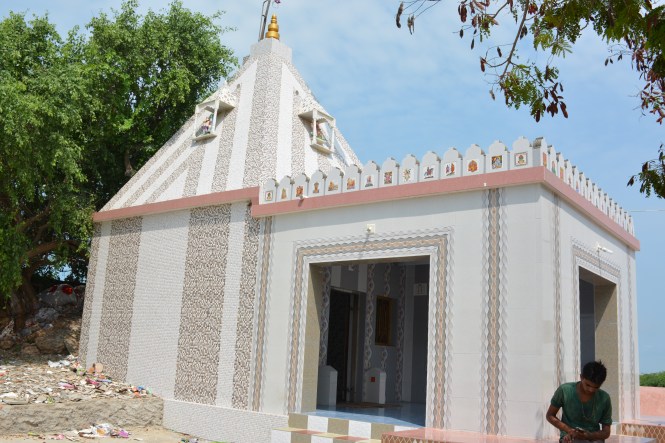
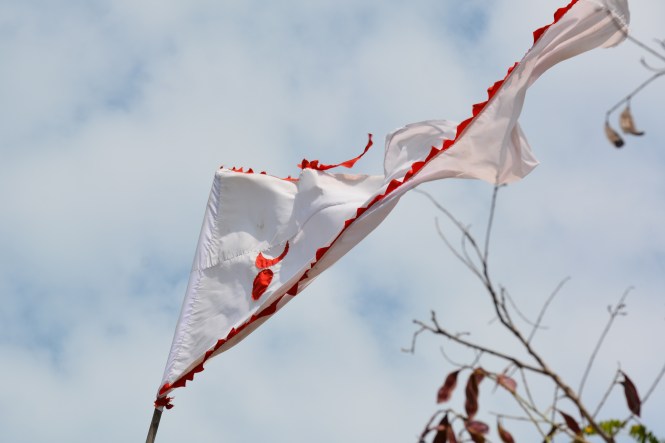
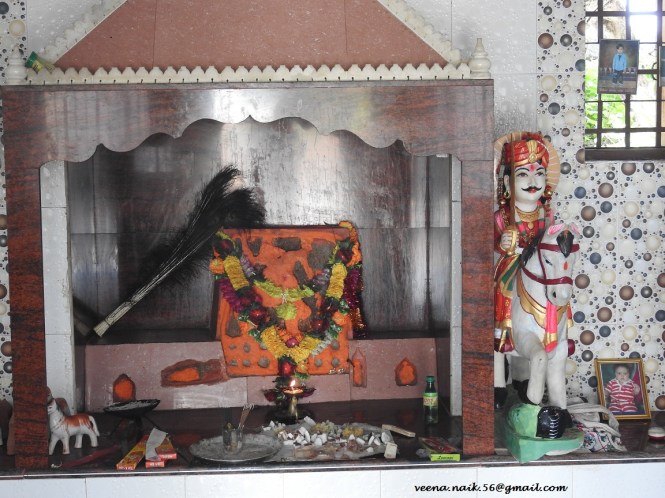
We return back to the main road and drive and see a small temple to our left flying a white flag, not saffron the usual colour. Out of curiosity we go to the temple although we avoid small religious structures as there are too many of them. The information came forth immediately. This is a temple to Karn / Karan  from Mahabharat. A small Ashapura Mata temple is also housed within a short distance.

8

9.JPG

10

On another side towards the north we find the following places:

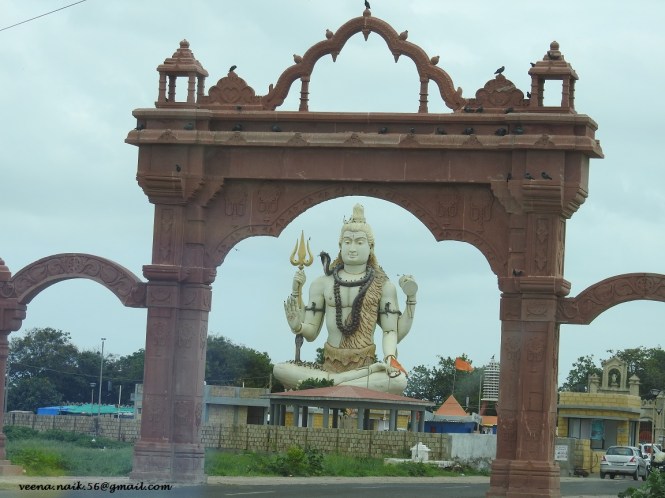
Nageshwar is among the Jyotirlingas. Nothing much to write home about. A grotesque statue of Shiva (donated, we are told by T-Series owners) dominates the landscape. Car parking is Rs. 40/- but green coconuts cost Rs 20/- each.

12

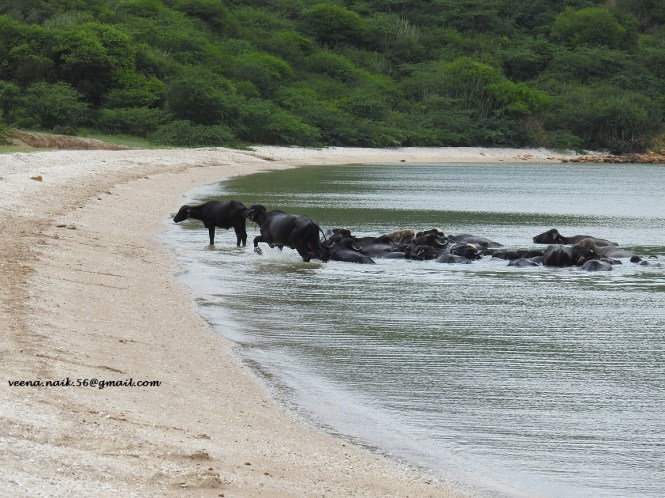
Then there is the Gopi Talav, the place where Krishna’s Gopis used to bathe. For reasons of propriety we decide to skip the place. Another reason is you need to walk more than a kilometre after parking. Instead, we were directed to a beautiful beach where we find buffaloes currently bathing.

buffaloes

I always thought buffaloes use fresh water for cooling themselves but here they are actually using the Arabian Sea. When I suggested that their milk would be slightly salty, the cowherd denied the charge and insisted that they don’t drink the water and their milk tastes the same as that of other buffaloes. Thank you.

The beach is beautiful with the greenery over the low hill at the back.

DSC_7848

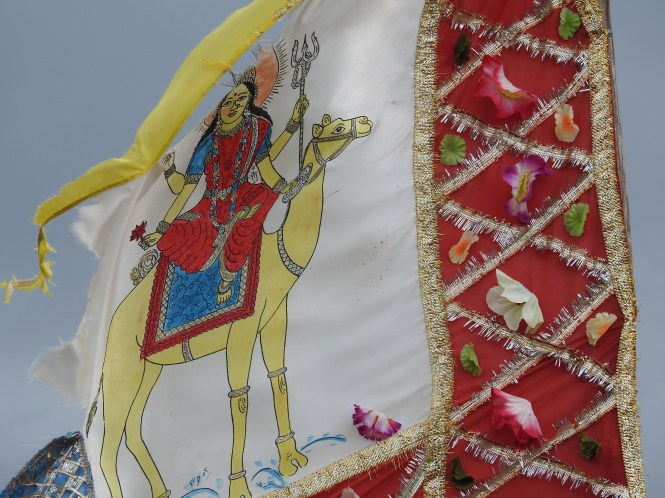
The place is called Momai Dham and has temple of Goddess Momai who comes from Kutch and uses a camel for transport. If you happen to be in the area, please do visit this place 10 Kms away from Nageshwar.

DSCN3583

DSCN3658

We also passed by Charkala a place known for its salt pans and migratory birds. As winter migration is still far away we could see some local species and not in great numbers.

11 

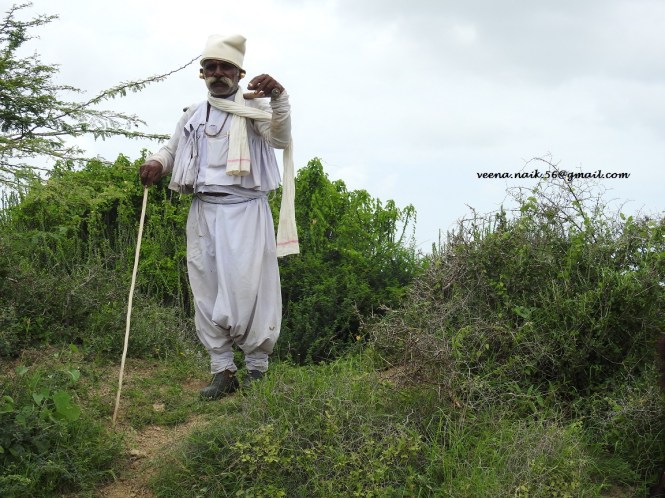
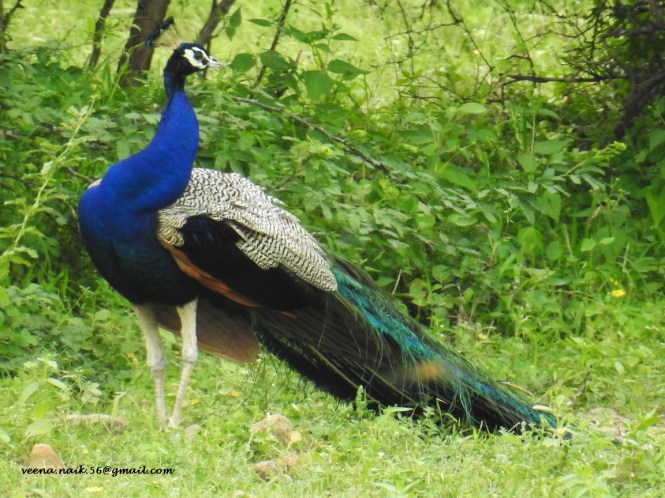
If you are bored by too many Gods and Goddesses on the way, you will also find living people like this gentlemen in his Kathiawadi attire tending to his sheep. You will most surely hear and see our national bird as well.

DSCN3572 DSCN3635

We also visited a place called Positra about which I will write later.

Note. During the three days to which this account pertains there is the time we spent in Dwarka proper about which we will post separately.

Suryakiran & Veena Naik

suryakiran.naik@gmail.com

28-29-30 Aug.2016

Posted on 31.08.2016


18. OKHA & BET DWARKA

Okha, facing the Gulf of Kutch is western-most point of the Kathiawad Peninsula, not of India as the impression is given by a cursory glance at the map. Well connected by Rail and Road, Okha was once an important port. The port activities still continue but fishing appears to be the major industry.

port

Despite being a port and a major railway terminus, some parts of Okha are very neat and clean which includes the beach near the port. The beach has a temple.

beach temple

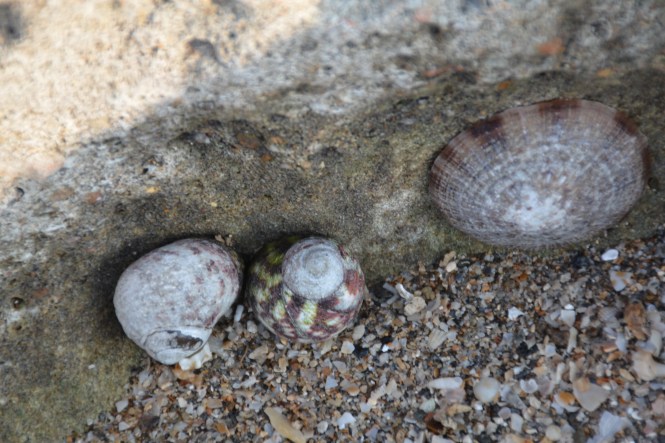
The seashore at low tide is a place to visit to see a number of live creatures of the sea which we normally sea as dead sea-shells.

shells

Here is a crab stranded at low tide.

crab

Okha has two sets of Lighthouses 2X2, one set on shore and the other on a small island. Two are new and operational and two disused. Here is the one on shore.

DSC_7634

And this is the beauty off-shore. The disused one is to the extreme right. The island also has a temple and a mosque. The Lighthouse is operated remotely from the shore and hence do not have people living there.

DSC_7639

Perhaps the first church on Coastal India on the western side appears in Okha.

church

Okha town is the only gateway to the island of BET DWARKA. All pilgrims visiting Dwarka also visit Bet Dwarka by default. They are carried across the water in heavily overloaded boats.

boat crossing

On the other side, people walk to the temple or rather temples. If you cannot walk, you can be carried in the vegetable vendors’ carts. Rickshaws are abundant in the Bet Dwarka town.

DSCN3272

The access to the temple is through a full-fledged market with colourful wares on display.

DSCN3268

This is the backside of the Dwarkadhish temple. Maintenance is poor.

main temple

Apart from this the island also has a Hanuman Temple (below) , Chandramandir and several others.


Hanuman Dandi

The island is quite a religious place, complete with the famous Dargah of Haji Dawood Kirmani.

Haji Dawood KirmaniAnd a nice little Gurudwara with a garden and place to stay.

Gurudwara

On the secular side the island has a few beaches. A cove named Dunny Point appears to be popular but it also double up as a harbour for fishing boats.

DunnyPoint

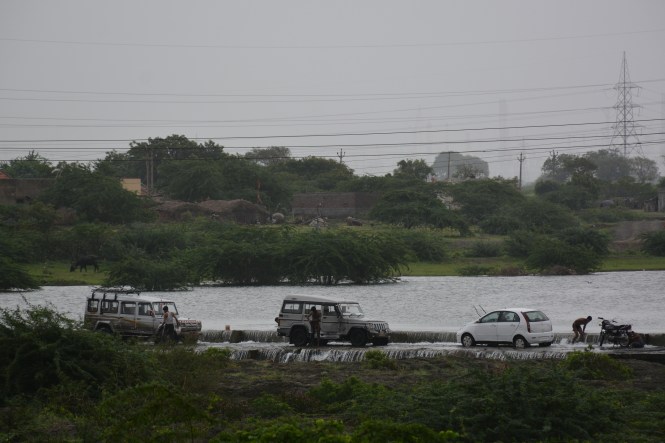
On the commercial side people try to sell almost anything to the unsuspecting religious tourists mostly in the name of God(s). This includes a wide variety of sea-shells and corals. This happens in Bet Dwarka as well as Okha. Both these places are within the geographical scope of Marine Sanctuary which is supposed to be policed by Department of Forests.

DSC_7626 Let us wind up this post with some beautiful flowers from the compound of the Gurudwara on the island.
DSCN3303

Suryakiran & Veena Naik

suryakiran.naik@gmail.com

27th & 28th August 2016

Posted on 30.08.2016


17. Sikka-Vadinar-Salaya

The next major towns on the coast where accommodation would be available are Okha and Dwarka. There is a smaller town called Khabaliya in-between. We decide to do Sikka and Vadinar and make an overnight stay at Khambaliya.

This is a Carwash on the way. Free. We decided to skip it although the car is dirty.

carwash

Sikka is an historical port like Mandvi. It is also involved in making and repairing wooden ships. At the waterfront one realizes that the place is more involved in trading and fishing than shipbuilding.

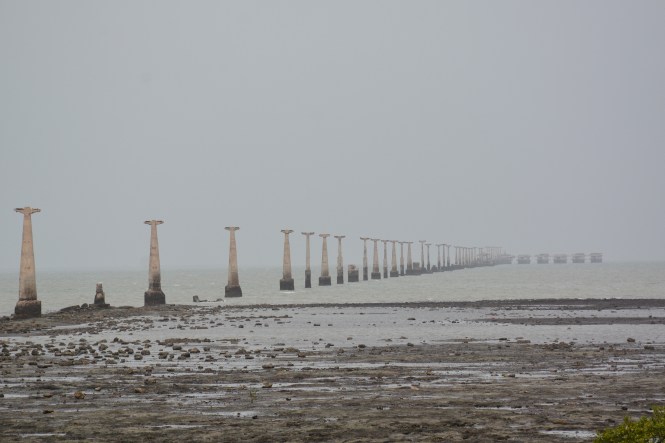
Pillars of an abandoned pipeline.

DSC_7206

GSFC fertilizer plant.

DSC_7219

MSV Noor Al Ismail being readied here to carry 4000 goats to Dubai for the Eid festival.

ship to dubai

Sikka has a Diwadandi. We decided not to go near it to save time.

sikka

Between Sikka and Vadinar at Moti Khavdi we cross the third Guinness record on this trip. The first one was river Machchu dam failure which reportedly killed 25000, a record for deaths in dam failures. This was followed by the Bala Hanuman Temple at Jamnagar which claims to be the place for religious chanting ( Jai Jai ram) continuously since 1964, Here is the third. The world’s largest refinery.

reliance

Vadinar is known for off-shore oil terminals and not for dry cargo. There was no point in seeking permission to enter. The car in front of us turned back within seconds. The important industrial unit here is the Essar Refinery. Vadinar is important for another reason. It is the Gateway to Narara, another important bio-diversity centre and a part of the Marine National Park.

DSC_7244

We come to the main road and proceed towards Khambaliya. We see these goats who will be found on MSV Noor Al Ismail a few months hence, on their way to Dubai.

goats

A few kilometres before Khambaliya is a dam maintained by Kandla Ports Authority to supply fresh water to the ports and terminals on the seashore. The dam is a beautiful sight.

DSC_7384

Salaya is 12 Kms from Khambaliya town. Quite an active port and fishing harbour. Ship repair activity is in full swing as the monsoon is coming to an end and the boats have to get back into business.

sal1

sal2

Some shipbuilding activity is also on.

sal3

Salaya has an attractive mosque.

sal4

10 Kms. from Salaya is a jetty and pipeline under construction for Essar group. We are told that it is being objected to by residents of Salaya and work has currently stopped. A Ashapura Mata temple exists on the shore which is also a part of the Marine Sanctuary.

DSC_7306

DSC_7283

 DSC_7262

Google map shows some places between Salaya and Positra on the sea-side which do not exist. We spend half a day looking for them. The name Janvar appears at three different places on the map. Hotel Swati appears in the sea. Ajad Tapu ( Tapu means island in Gujarati) appears on the land. The villages around are green after the rains and are exquisitely beautiful. We could see some beautiful flowering plants and cactus.

DSC_7407

 We return back to the main road and proceed to our next stop which is Okha. We go back again to the smaller coastal roads so that we drive closer to the sea and also see some village life. For this we  are rewarded with some car-seat birding opportunities we will always remember.

birding

Suryakiran & Veena Naik

suryakiran.naik@gmail.com

26th August 2016

Posted on 29.08.2016.


16. Ports of Jamnagar.

The surroundings of Jamnagar have about half a dozen ports, all minor ports operated by Gujarat Maritime Board. They also have Lighthouses at many of these places. Despite knowing that we will not be allowed to enter either places, we start off to explore them and their surroundings. We are rewarded with rich experience of things we had not seen earlier.

The first destination is Rozi port. Rozi, New Bedi and Bedi are located in close proximity to each other and Jamnagar town. Travelling is not an issue. Roads are good.

Rozi has Diwadandi, Lighthouse.

rozy1

The port is for dry bulk cargo. Right now, they told us, it is handling ‘mitti’. A little prodding revealed it is Bauxite. As expected we were sent away from the port and the Lighthouse as the same required permission from ‘authorities’. Rozi also happens to be the place to access the island of Pirotan which is major tourist attraction within the Marine National Park. Of course they cannot prevent us from taking photographs from afar.

rozi1a

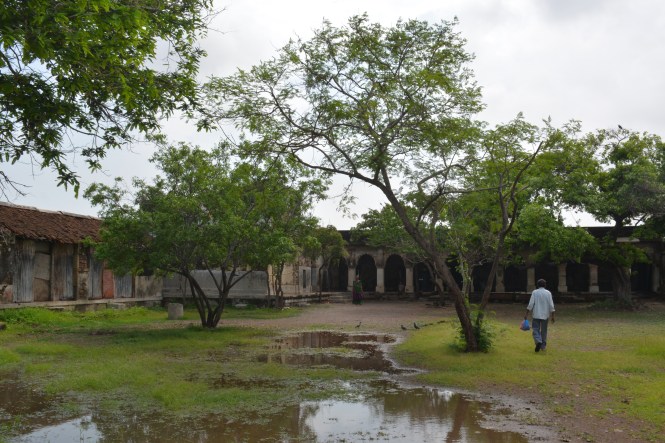
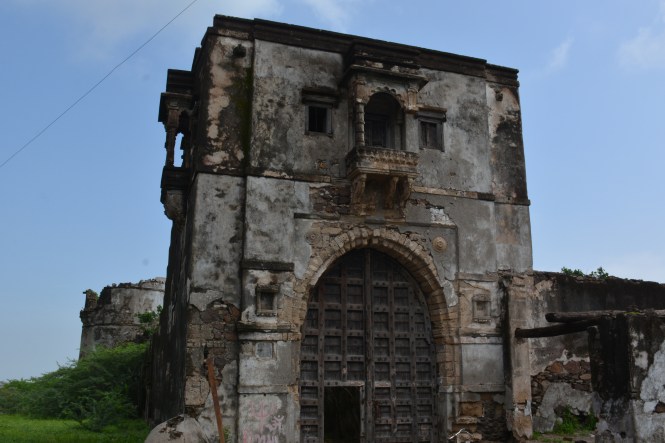
Before you speculate about the name Rozi, let me clarify that the port is not named after the girl you met in Goa some time back. It is named after the Goddess Rozi Mata under whose jurisdiction the port falls. Rozi Mata Mandir is a curious place. As you approach the place, it appears like an old fortress. Inside is the dilapidated structures of temples.


rozy3

The entrance:

rozy2

Birds abound in the salt pans and the roadside ponds in the entire area even in August. In winter it should offer a more spectacular avian scene. Here is a dramatic Darter.

darter

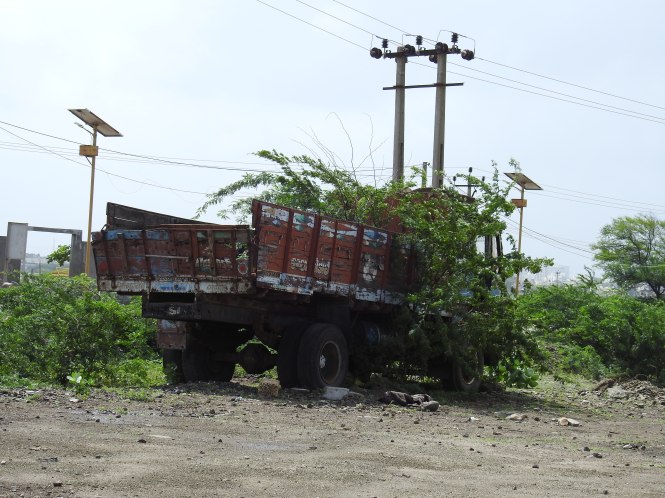
Among the odd scenes is that truck. There are plants growing under it as well in the load body, quite an environment-friendly vehicle.

DSCN2961

Here is the New Bedi port. The ‘security’ advised us to visit Rozi port and not to waste time there. ‘The port is importing coal and the dust is not god for health.’ Thank you.

new bedi

From New Bedi we proceed to Bedi. The refusal here is the most polite and with a smiling face. Here is myself,being sent away.

bedi

There are better places in this world than those dirty ports.

We then go to a small village nearby and visit the Fish Market. People are friendly and the fish cheap by Mumbai/Pune standards. We are salivating but no hotels in the area serve non-vegetarian food except one in Jamnagar.

DSCN2968

The refusal to allow to enter ports gave us enough time for birding. The bird pictures are posted on ‘Facebook Birders’, a closed group and also on our Facebook Page ‘The Blue Drive’. Please visit.

Suryakiran & Veena Naik

suryakiran.naik@gmail.com

25.08.2016

Posted on 28.08.2016


15. Jamnagar, Saurashtra

We arrive at Jamnagar to hear bad news. A series of them. To-morrow is a holiday on account of Krishna Janmashathami, everything will be closed, it is raining and will continue to rain to-morrow, the Museum is under renovation and remains closed, the Marine National Park is closed till 15th of October, almost two more months. We had planned for a longer stay at Jamnagar as it is the access point to the Marine National Park. Presumption was that it would open after 15th August the end of monsoons for all practical purposes. We were wrong.

Having come we decided to make the best of whatever was left over and there were quite a few things, lasting us two full days.

Braving the rains, we drive to the Ranjitsagar Dam. The design shouts at you to tell that it is pre-independence creation of Maharajas.

dam

Next stop is Khijadiya Bird Sanctuary. The guards at the station allow us to drive up to the inner gate and not beyond as the sanctuary is closed for the monsoons. It need not be. It is on the land and is not water-logged. Anyway the government knows better. As we turn back from the gate we saw hundreds of tiny frogs jumping towards the salt pans to the right of the place where the gate is. It was an unforgettable sight but did not come off well in photographs.

Among the places advertised as the highlights of the Jamnagar city are:

Lakhota Lake and Lakhota Museum (closed for renovation). The lake shores are incredibly clean and well-maintained. Food and food vendors are prohibited inside. This place and the adjoining part of the lake which has free access are together good for a round of city birding.

DSCN2974

Bala Hanuman Temple is in Jamnagar and in the Guinness Book for its uninterrupted chanting of ‘jai jai ram’ since 1964.

bala hanuman

Khambaliya Gate which doubles up as a small museum.

DSC_7168

The Tower Of Mandvi looks good architecturally but the way it is occupied, I am sure it must be subject to a lot of litigation.

DSC_7151

Bhujiyo Koto is a part of the crumbling Lakhota Fort.

fort

The Pratap Vilas Palace

DSC_7177

Nilkanth Mahadev Temple

DSCN2973

Bhidbhanjan Temple with beautiful carvings. Photography inside is prohibited

DSC_7144

Bohra Hajira, a Bohra community’s place with mausoleums, Mosques and other structures.

DSCN3053

The Jain temple (there are 4 of them in the city) and Swaminarayan Mandir a little away from the town. There appears to be an ongoing competition among the Jains and the BAPS to build temples.

DSCN3056

Most interestingly the city prides itself on its crematorium so much so that it appears in the list of places to be visited in Jamnagar. It is billed as ‘Model’ crematorium. For us it would be strange to go to an operational crematorium as a tourists and not mourners. We decided to give it a try. As we near the gate we see a funeral procession entering. We decided to retreat and move on to the world of the living.

DSCN3047

In the living world people are busy preparing huge quantities of ‘farari’ food for the Janmashthami celebrations. It is difficult to find a good restaurant in Jamnagar. Most of the people eat ‘paan’, and those who eat other food,  do so standing up at the ‘farsan’ shops. I will remember Jamnagar for it’s huge Paan shops.

DSC_7172

Suryakiran & Veena Naik

suryakiran.naik@gmail.com

24.08.2016

Posted on 28.08.2016

14. Jodiya & Balachadi

We leave Morbi with the intention of staying at either Jodiya or at Balachadi, the seaside towns on the way to Jamnagar. Both places turn out to be small villages with neither accommodation nor food. However, they had to offer some interesting glimpses.

Jodiya is a fishing village. It once used to be a port but in course of time the waterway silted and reduced the place to a fishing village. We reached there at around 2 pm. The motorized fishing boats were expected back at around 3 pm with the high tide. During this hour we saw an interesting phenomenon. The fishermen hunting crabs were returning with their catch just in time to beat the high tide, to be followed by the boats.

1st

crab catch

The boats, including the one owned by Yusufbhai brought the fish. He is not happy with to-day’s catch. It is too little for the time and the efforts. In comparison the crabbers appear to be making good money walking on the shore at low tide. Nobody came with less than 5 kgs. All fish is bought by traders for sale in larger towns.

yusuf1

yusuf2

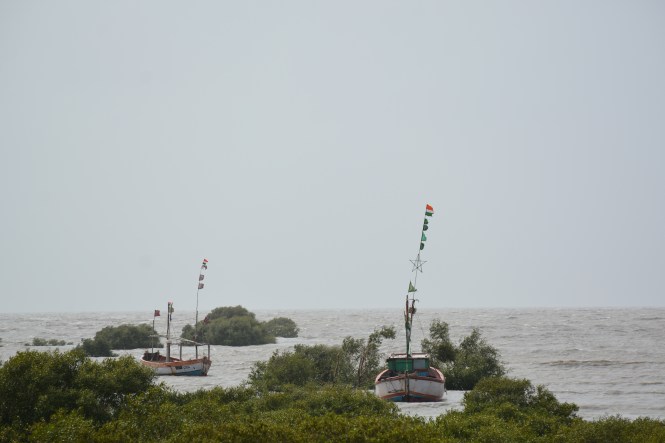
The silting of the waterways allows growth of Mangroves and in turn crab fishing. With that kind of mangrove cover, I expected Prawns / Shrimp breeding around. The fisher folk have no knowledge of such creatures. They are happy hunting the crabs – the Blue Crab as well as the grey Mud Crab. The former can be picked up from the floor, the latter needs nets. Here one can see several species of the Mangroves unlike up north at Jakhau where one can see only one dwarf species.
m1

m2

m3

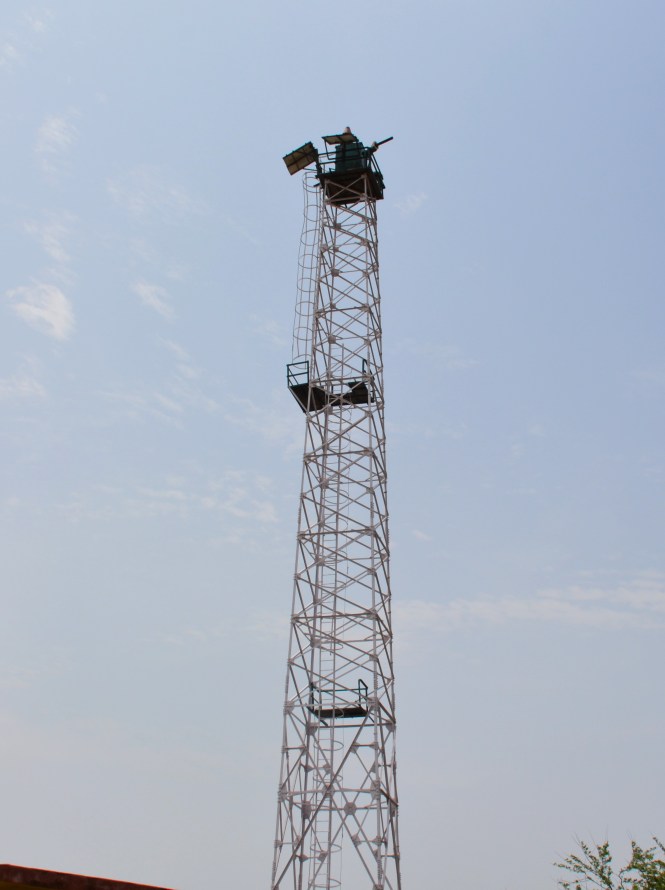
Jodiya has a Lighthouse. Not the masonry type but a lattice steel structure. We don’t know if it is functional. The gate was locked and there was none in attendance.

Diwadandi

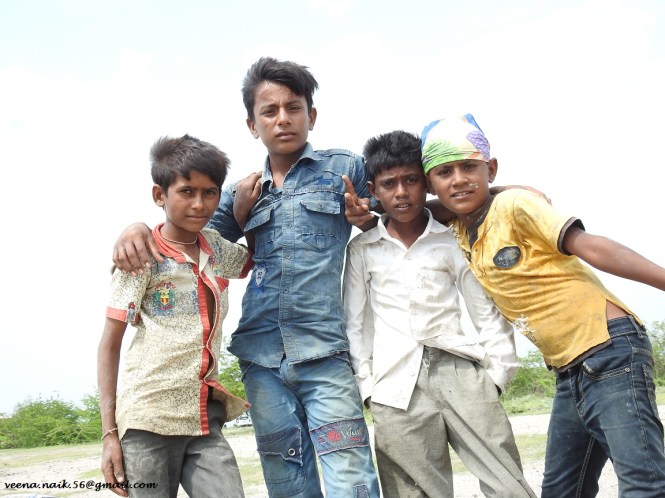
The boys on the waterfront take a break from trying to catch crabs to pose for a picture.

boys

The next place along the coast is Balachadi which is quite close to the town of Porbandar.

Balachadi has a Sainik School and a large part of the village is covered by the school’s compounds.

A small beach, nothing to write home about. It is a part of the Marine National Park and the Sanctuary.

Balachadi beach

The place is recommended for birding during winter. Even in August it is not bad but you will all the local species not the ‘foreigners’ who come in winters.

birds

The Dargah of Yakubshah Pir is an attractive structure and is among the major places of pilgrimage in the area.

Yakubsha Pir

We round off the visit a visit to the Diwadandi. It looks majestic. Located on a hillock quite away from the seashore and has a large compound.  We were denied access and shooed away.
Balachadi Diwadandi 

Suryakiran & Veena Naik

suryakiran.naik@gmail.com

27.08.2016


MORBI, Saurashtra.

Morbi is a typical princely state town where the remnants of the royal rule mix with the post-independence architecture and lifestyle. We get up early in the morning and start looking at the landmarks of Morbi. It is an interesting place. Founded in 1698, it was an 11-Gun salute state during the British rule.

This is the Green Tower. I like it because it has a library on the first floor. No, you are not allowed to go above that.

DSC_6867

The Palace turned into Hotel

DSC_6872

The Jhulta Pool. Hanging bridge across the river Machchu, connecting old and new parts of the town

DSC_6885

Incidentally, 27 years ago a dam across this river failed causing a major disaster killing an estimated 25000 people.

DSC_6895

The pre-independence Engineering college and a palace is on the other side. We were not allowed to enter the palace grounds.

DSC_6901

The Police Stations in Morbi look beautiful unlike their counterparts in other parts of the country.

DSC_6922

Mani Mandir is a temple complex in the secretariat compound of the Morbi State. This is reported to be built by the ruler in memory of a woman called Mani or Manibai.

DSC_6941

The secretariat has this statue of Marques of Willingdon the Viceroy and Governor General of India, which I think does not fit well with the architecture around.

DSC_6931

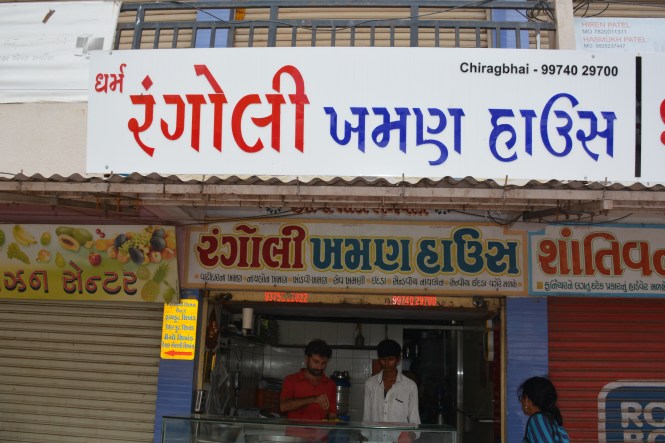
Rangoli Khaman House offers the best Dhokla in town, in fact several varieties of it. Chiragbhai made us to taste a bit of each, followed by tea from a nearby place. Preparation of food and tea are considered different functions in this part of the world. They are always sold by different establishments.

DSC_6954

Suryakiran & Veena Naik

26.8.2016.

Note : In order to keep the Blog to reasonable size, we post the pictures on a Facebook Page. Please check out at The Blue Drive.